

Exploring the hidden cues how psychology influences gambling behavior
The Psychology of Risk and Reward
Understanding the psychological dynamics behind gambling behavior begins with the concept of risk and reward. Gamblers often find themselves drawn to the thrill of uncertainty, where the potential for a substantial reward can overshadow the inherent risks. This interplay is deeply rooted in human psychology, where the dopamine release triggered by winning creates a sense of euphoria that can lead to repeated behaviors. The brain’s reward circuitry plays a significant role in reinforcing gambling habits, making it difficult for individuals to recognize when they have crossed the line into problematic gambling. For those interested in expanding their gambling experience, exploring sites that feature aus online pokies can be a rewarding option.

Additionally, cognitive biases such as the illusion of control can influence gambling decisions. Many players believe that they can influence the outcome of games through skill or strategy, even in games of pure chance. This belief can encourage riskier betting behavior, as individuals convince themselves that their choices will yield favorable outcomes. Understanding these psychological aspects is crucial for recognizing why certain individuals may develop compulsive gambling habits, often without realizing the underlying factors at play.
The Role of Emotions in Gambling
Emotions are another critical component that shapes gambling behavior. Many people turn to gambling as a means of escape or to alleviate negative feelings such as stress or anxiety. The transient excitement experienced during gambling can provide a temporary reprieve from everyday worries. However, relying on gambling as an emotional outlet can lead to a cycle of dependency, where individuals continually seek that high to feel better. This emotional connection with gambling can cloud judgment, leading to poor decision-making and financial consequences.
Moreover, positive emotions can also skew perception in gambling. The thrill of a near-win can create a false sense of success, encouraging gamblers to keep betting in the hope of eventually hitting the jackpot. This emotional rollercoaster can establish a pattern where individuals chase losses, further entrenching them in a cycle of gambling behavior that is hard to break. Recognizing these emotional triggers is essential for anyone looking to understand their gambling habits better.
The Influence of Environment on Gambling Choices
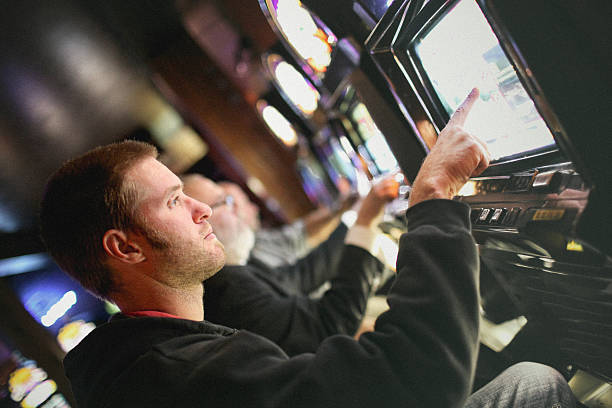
The environment in which gambling occurs can significantly impact behaviors and decisions. Casinos, whether physical or online, are designed to create an immersive experience that stimulates the senses. From the sounds of slot machines to the colorful displays and free drinks, these elements are strategically curated to keep players engaged and encourage longer playing sessions. This sensory overload can lead to impulsive decisions, making it difficult for individuals to maintain self-control.
Furthermore, social influences play a vital role in gambling behavior. Many people are influenced by friends or family members when it comes to gambling, whether through encouragement or shared experiences. The social aspect can heighten the excitement of gambling but can also lead to increased risks when peer pressure is involved. Understanding the social dynamics at play can help individuals recognize how their environment shapes their gambling habits and choices.
Cognitive dissonance is a psychological phenomenon that can contribute to problematic gambling behaviors. When a gambler experiences a conflict between their beliefs and their actions, they may rationalize their behavior to alleviate feelings of guilt or shame. For instance, after losing money, a gambler might convince themselves that they are “due” for a win, perpetuating their gambling cycle. This justification can create a dangerous mindset, where the gambler continues to engage in risky behaviors despite negative consequences.
Additionally, gamblers often tend to remember their wins more vividly than their losses, a phenomenon known as selective memory. This skewed perception can reinforce the belief that gambling is a viable way to make money. Acknowledging cognitive dissonance and its implications is vital for developing healthier gambling habits and understanding the psychological barriers that prevent individuals from recognizing harmful behaviors.
Your Path to Responsible Gambling
For those seeking a comprehensive understanding of gambling behavior and its psychological influences, our platform provides valuable insights and resources. We emphasize the importance of responsible gambling practices, encouraging players to be aware of their motivations and emotional triggers. By offering information on safe gambling environments and strategies for maintaining self-control, we aim to foster a healthier approach to gaming.
Our commitment extends beyond merely providing access to various gaming options. We strive to educate players about the psychological aspects of gambling, helping them navigate their experiences with a critical eye. By exploring the hidden cues of psychology, we empower individuals to make informed decisions and enjoy gambling responsibly.